

Mother Nature: The Cardinal Stakeholder Fashion Forgot
What would it look like to bring Mother Nature to the table as the primary stakeholder?
Mother Earth
With inputs from Madhu Vaishnav (founder of Saheli Women) and
Clare Press
Every boardroom has its stakeholders, shareholders, executives, conglomerates, regulators, and consumers seated at the table with a voice and with the power to shape decisions. But there is one stakeholder who is never invited, who has no seat or voice in the contracts being made, and yet she is the one who ultimately bears every cost – Mother Earth.
In an industry that ranks second as the largest polluter on the planet, second only to oil and gas, her absence from the table is not an oversight; it is the wound at the centre of everything.
We talk about fashion stakeholders as if they are limited to the visible players. The conglomerates that own dozens of brands under one roof, the executives who set production targets, the power players who decide what the world will wear next season. While yes, these matter. What also matters is the patriarchal structures that have long dominated this industry. The decisions about women's bodies and women's labour are made overwhelmingly by the men in positions of power.
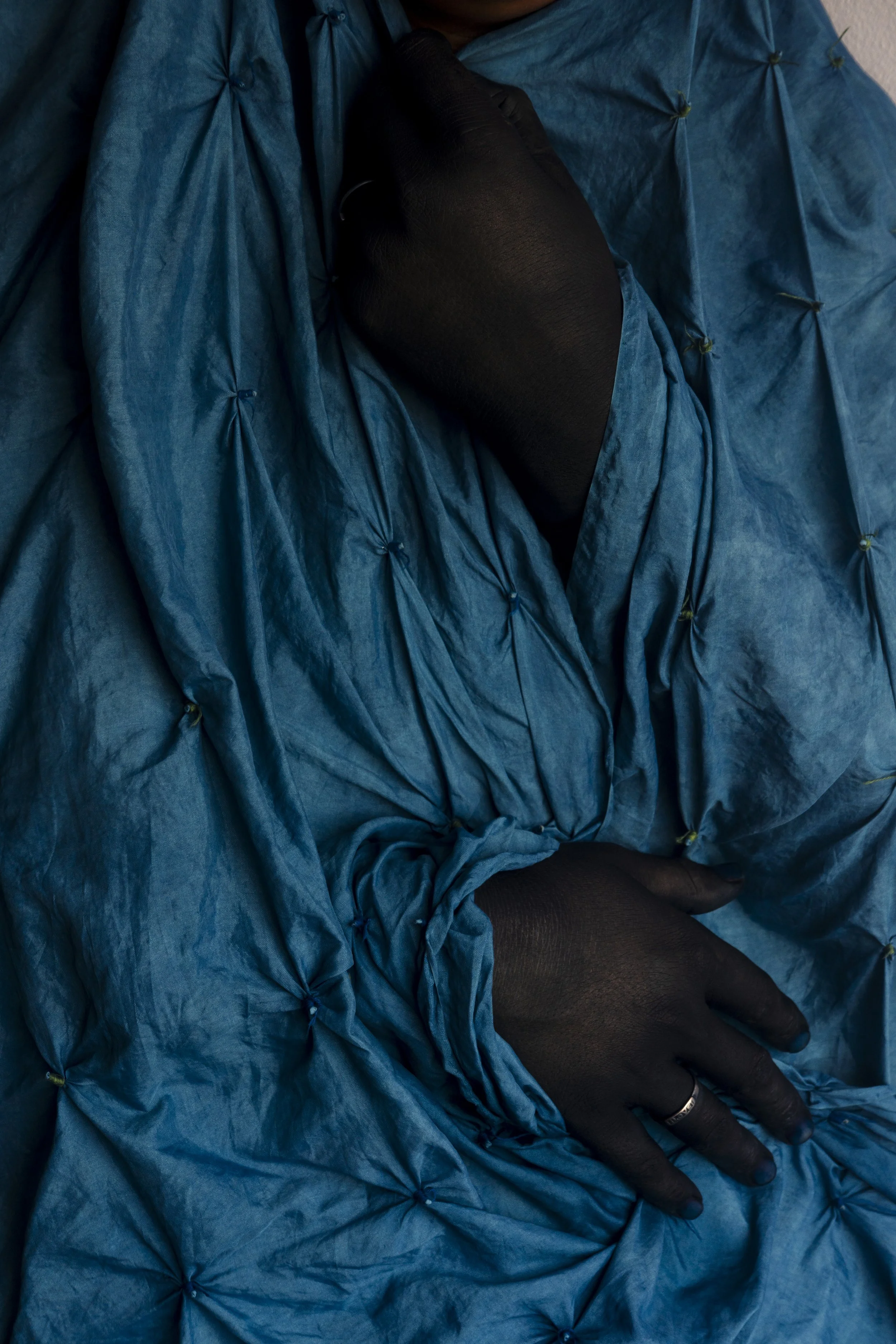
The Earth is feminine. She is our birthgiver, our nurturer, our sustainer, and she absorbs everything we give to her. The Bhagavad Gita captures this with striking clarity: "My womb is the great Brahman; in that I place the seed of life; from that, the birth of all beings takes place." Nature herself is the womb of creation, the source from which everything is born and to which everything eventually returns.
The way we treat women and the Earth is not a separate story. They are the same story, told in two registers. Cracking open the land for resources to extract and never replenish are acts of violence against a feminine body.
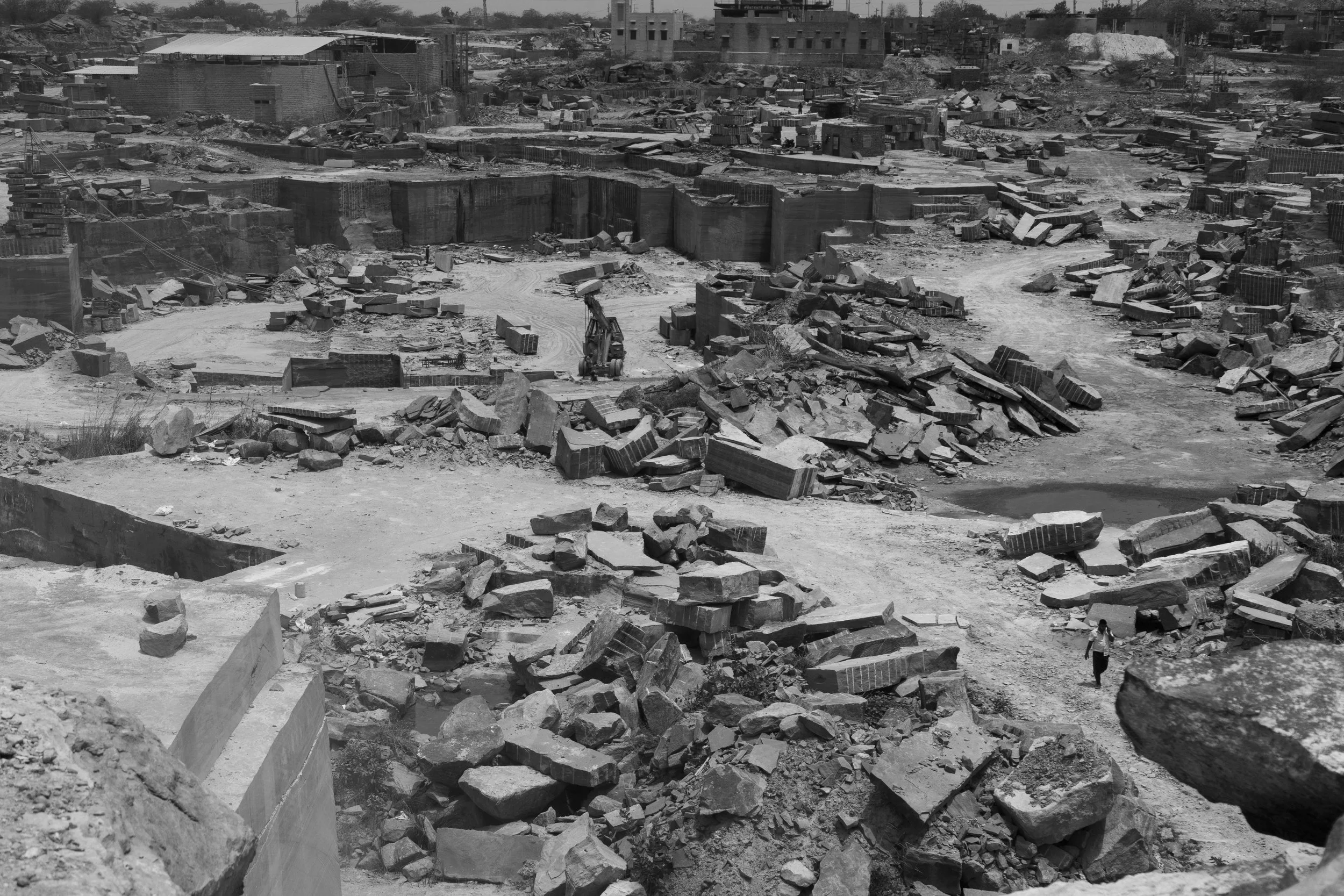
Here is the connection that many refuse to look at directly: the way we treat women and the Earth is not a separate story. They are the same story, told in two registers. Cracking open the land for resources to extract and never replenish are acts of violence against a feminine body. When we look at the statistics on violence against women and children, we are looking at the same pattern. The abuse and exploitation of women’s bodies are treated as resources to be used rather than beings to be honoured. Nature is reflected back to us. In floods, fires and storms, in cracked soils and poisoned rivers, the violence that we have normalized elsewhere. We are the ones responsible. Not as an abstract collective, but as the hands that signed the contracts, that approved the runoff, and looked away.
Her trees are our lungs, her rivers are our veins, her soil our skin. When we poison her, we poison ourselves slowly, and call it progress.
There is an ancient understanding, carried through generations and traditions, that every action returns to its source, that nothing is taken without consequence, and nothing is given without reward. The soil we poison, the waters we choke, the forests we fell, these are not gifts we receive for free. They are loans, and like every loan, they come with interest when the bill arrives. This same wisdom tells us that we are, in the end, our own greatest ally or our own greatest adversary, that the relationship we have with ourselves determines everything else. Her trees are our lungs, her rivers are our veins, her soil our skin. When we poison her, we poison ourselves slowly, and call it progress.

We are not outside this system, waiting to fix it; we are the system, and we are her. The cracks we see in the Earth and the cracks we see in how we treat one another are not two different crises.
So what would it look like to bring Mother Nature to the table, not as a footnote in a sustainability report, but as the primary stakeholder? It would mean treating every relationship with raw materials, cotton, leather, dyes, and water, as a contract that gives and takes, not extraction without return. Just as conglomerates negotiate terms, audit compliance, and expect accountability from suppliers, we must build the same rigour into our relationship with the Earth: what are we taking, and what are we restoring?
Fashion did not become the second largest polluter by accident. It became so through millions of small decisions, each one a transaction that forgot to ask what the Earth needs in return. The invitation now is to fundamentally re-seat the table, to recognise that the Earth is not a resource to be managed, but a partner to be in the right relationship with, a stakeholder whose well-being is inseparable from our own. We are not outside this system, waiting to fix it; we are the system, and we are her. The cracks we see in the Earth and the cracks we see in how we treat one another are not two different crises.
The seat is open: the only question is whether we are finally ready to sit down and listen.