

Ambar Charkha: The First Woman Spinning Wheel
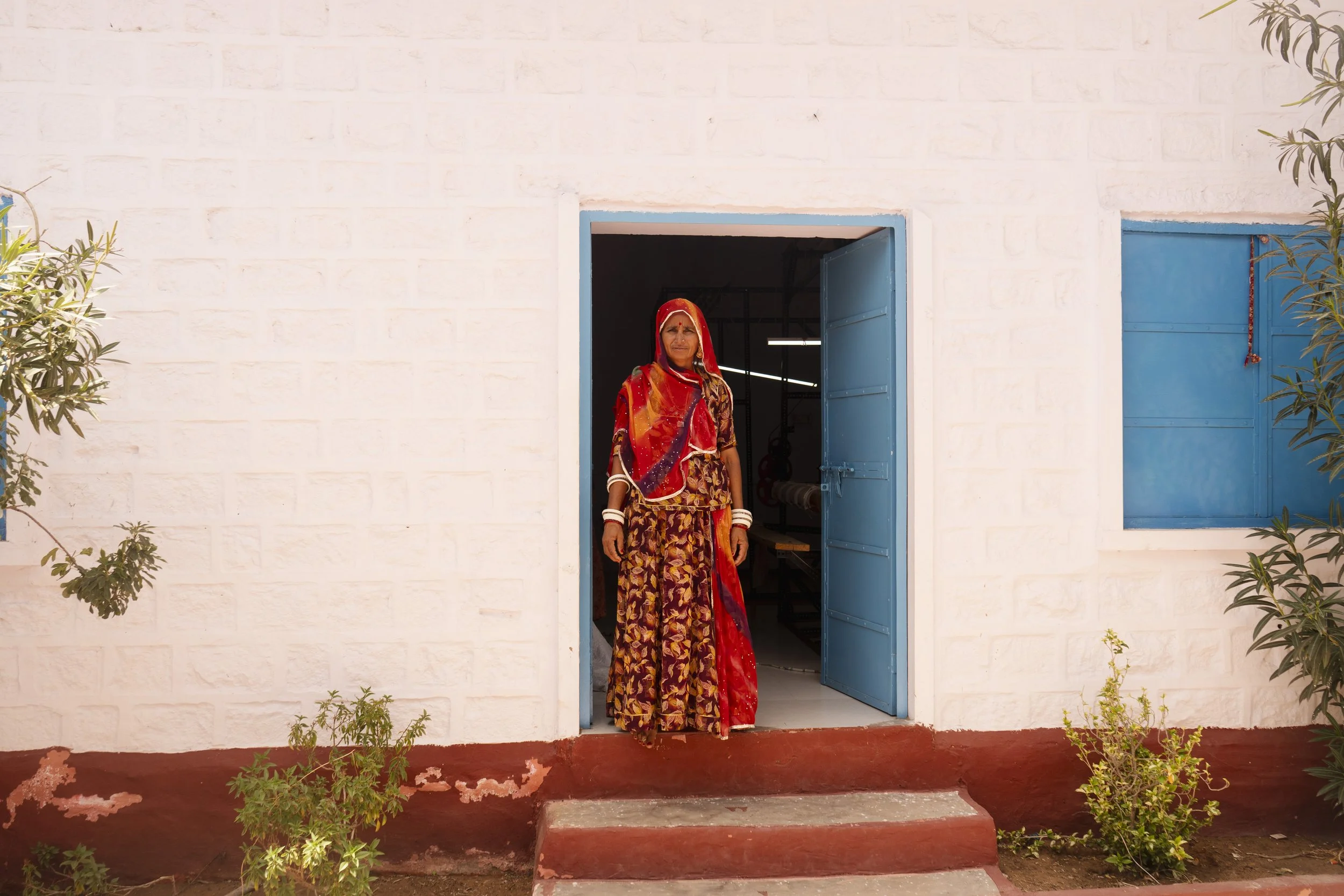
Saheli woman—Goga standing tall at Saheli’s Bhikamkhor Centre, in Jodhpur, Rajasthan
There is a wheel that has been spinning for centuries, and it belongs to women. The charkha was never a factory invention, it was born in the home, in the hands of women who knew, long before anyone thought to study it, that turning fibre into yarn is turning raw life into something that lasts. Then the machines came. The corporations arrived. The knowledge that lived in women's fingers was absorbed into industrial pipelines, made expensive, made inaccessible, gate-kept. The Ambar Charkha project begins with one refusal: to take that knowledge back.
The woman who is fifty or sixty or seventy has not reached the end of anything. Her dreams have not shrunk, they have grown, and what she wants is not rest, it is recognition. Not retirement, but re-engagement.
Every woman who comes to this program arrives carrying something the world has spent decades telling her is no longer useful, which is time, patience, and the kind of wisdom that only comes from having lived. These are women who raised children, ran families, held everything together. And then at a certain age the world decides they are done. We disagree. The woman who is fifty or sixty or seventy has not reached the end of anything. Her dreams have not shrunk, they have grown, and what she wants is not rest, it is recognition. Not retirement, but re-engagement. The Ambar Charkha gives her a wheel, a craft, a livelihood, and a community, and through that, something far more important: acknowledgement of her existence and
her creativity.
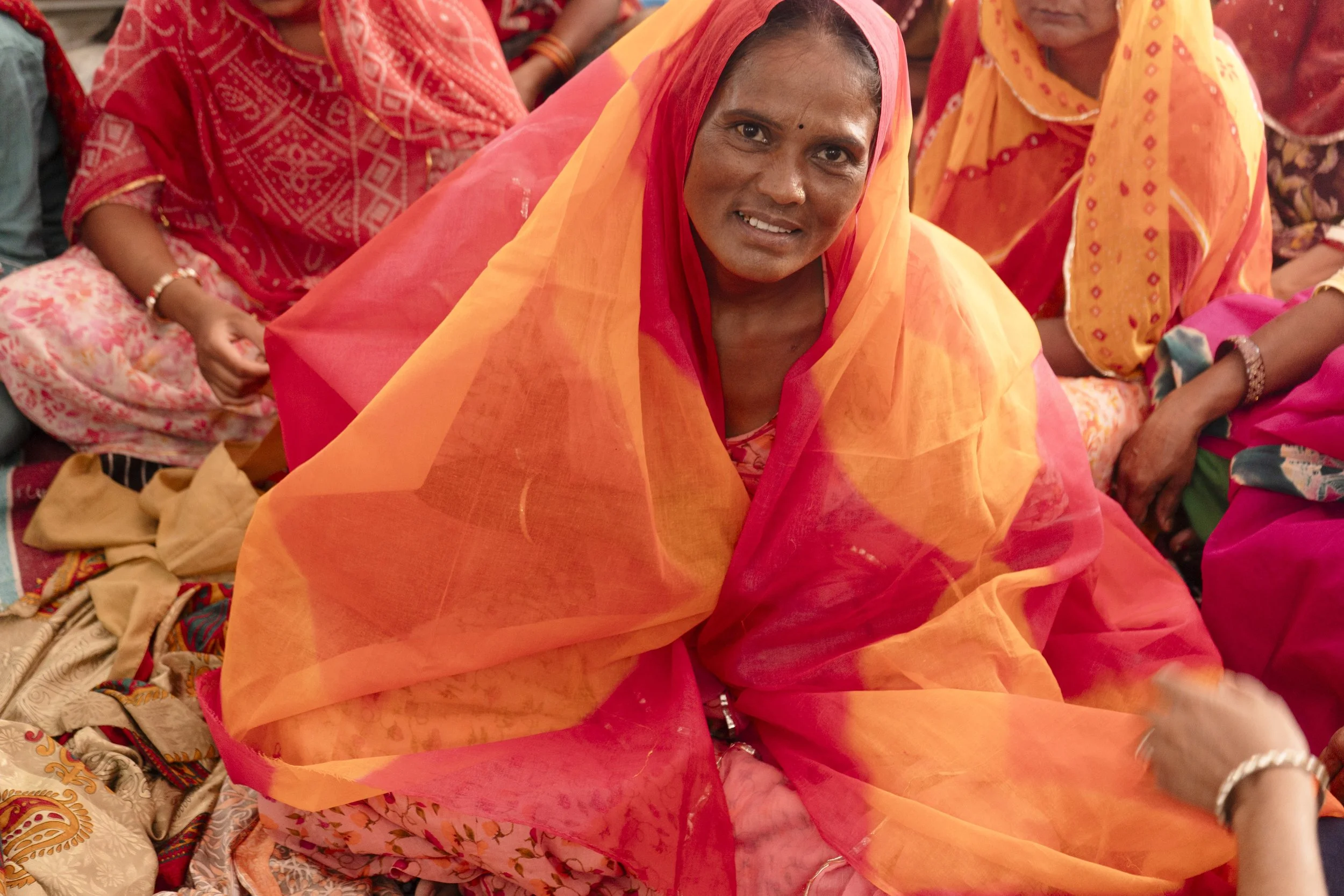
Saheli Woman, choba
This is a livelihood program and a socio-cultural engagement, both at once, because they were never really two separate things. When a woman earns through her craft she does not just earn money, she earns standing, she earns the right to be counted. That is what we are building here.
The in-between steps that should belong to the community who grows the cotton have been gate-kept, and with them, the entire value chain has been pulled out of the village and handed to someone else.
Now between the cotton growing in the field and the cloth someone eventually wears, there are steps that have been quietly removed from the village over the last hundred years. The ginning, the carding, the cleaning, the spinning, each of these transformations was taken out of the home and locked inside the machinery of large-scale industry. Information about these processes is controlled. Equipment is unaffordable. Funding flows through channels that do not open for the woman sitting in a village in Rajasthan. The in-between steps that should belong to the community who grows the cotton have been gate-kept, and with them, the entire value chain has been pulled out of the village and handed to someone else.
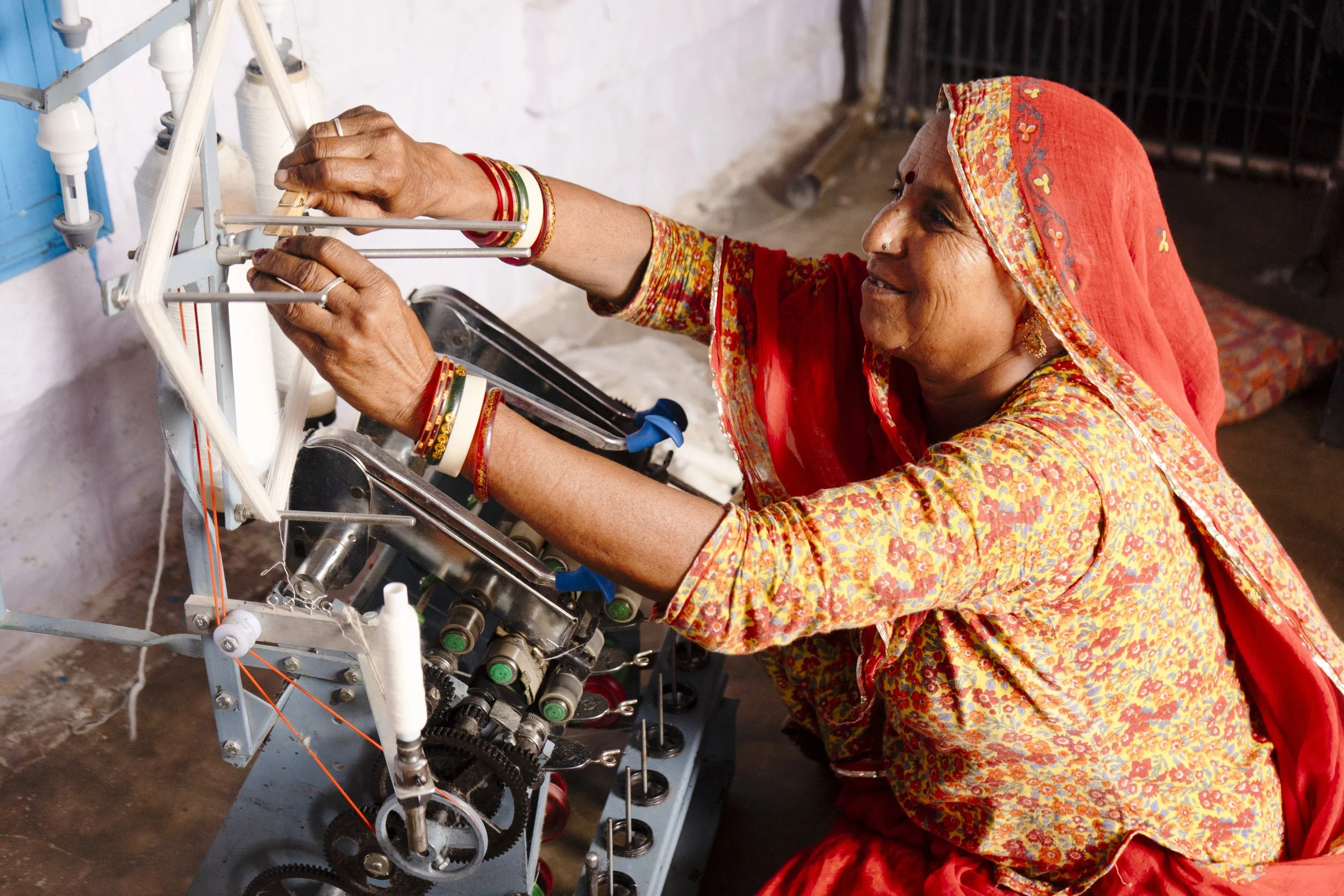
Saheli Woman fondly called, Bai working on Ambar Charkha
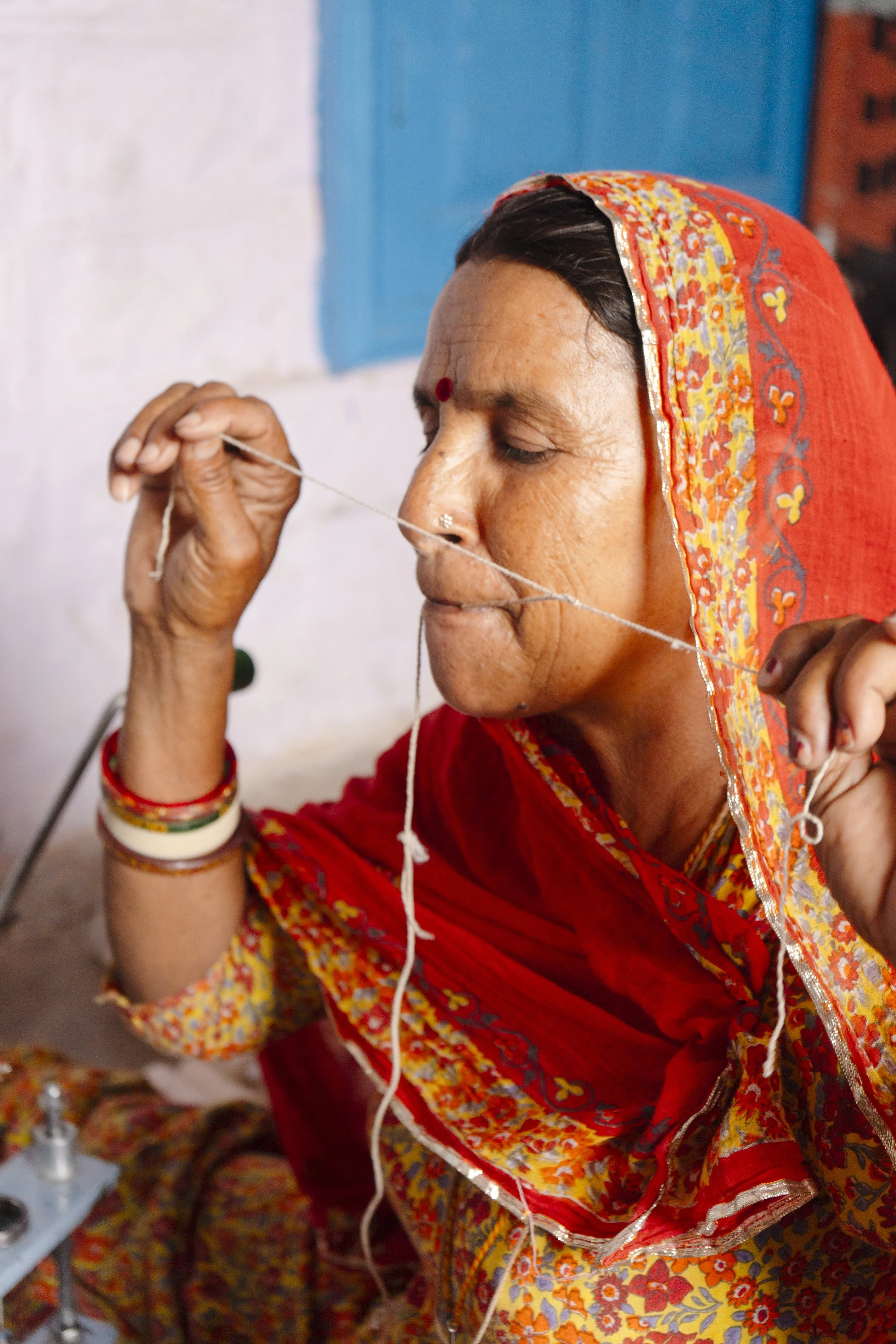
That is the real loss. Not just the craft, but the chain of value it creates, every step from raw cotton to finished yarn to woven cloth to worn garment, each of those steps is a point where money can be earned, where skill can be recognised, where a community can build something that belongs to it. Right now almost none of those points belong to the village. The Ambar Charkha reclaims that by bringing the value chain back inside the village ecosystem, step by step, starting with spinning, and building outward.
The first woman spinning wheel is the direct answer to all of this. The Ambar Charkha, modernised and more efficient while staying true to what it always was, brings those in-between steps back into the home. You do not need the corporation. You do not need the factory. The machine that turns your cotton into yarn can sit in your room, operated by your hands, taught to your daughter and your neighbour's daughter. The value that the pipeline currently extracts can stay in the village, with the woman, with the community that grew the crop, compounding at every stage of the chain rather than leaking out of it.
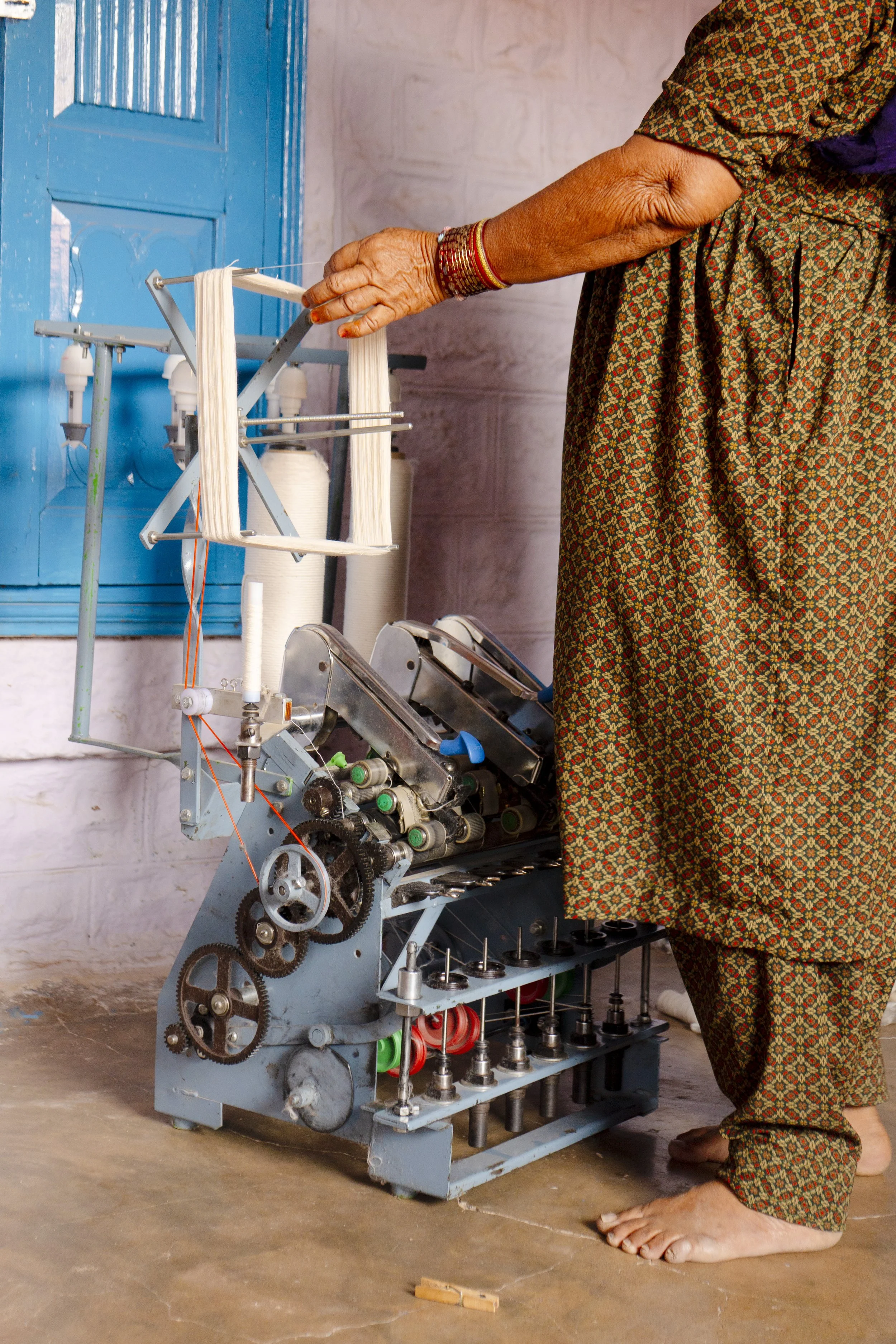
Ambar Charkha
Look at China. They understood something the rest of the world is still catching up to, that when you equip a million households with tools and knowledge to produce something of value, you do not just build a supply chain. You build an economy from the inside out. Every home with a charkha and a trained woman is a micro-industry, self-sustaining, woven into the village value chain, not dependent on an external one. Each home that spins adds a link. Each link that stays local means the value stays local, it means a woman earns, a family sustains itself, a village grows stronger from within rather than remaining dependent on industries that have never been designed with it in mind. The carbon footprint of this model is a fraction of industrial spinning. The economic footprint, the one that actually matters to the village, is enormous.
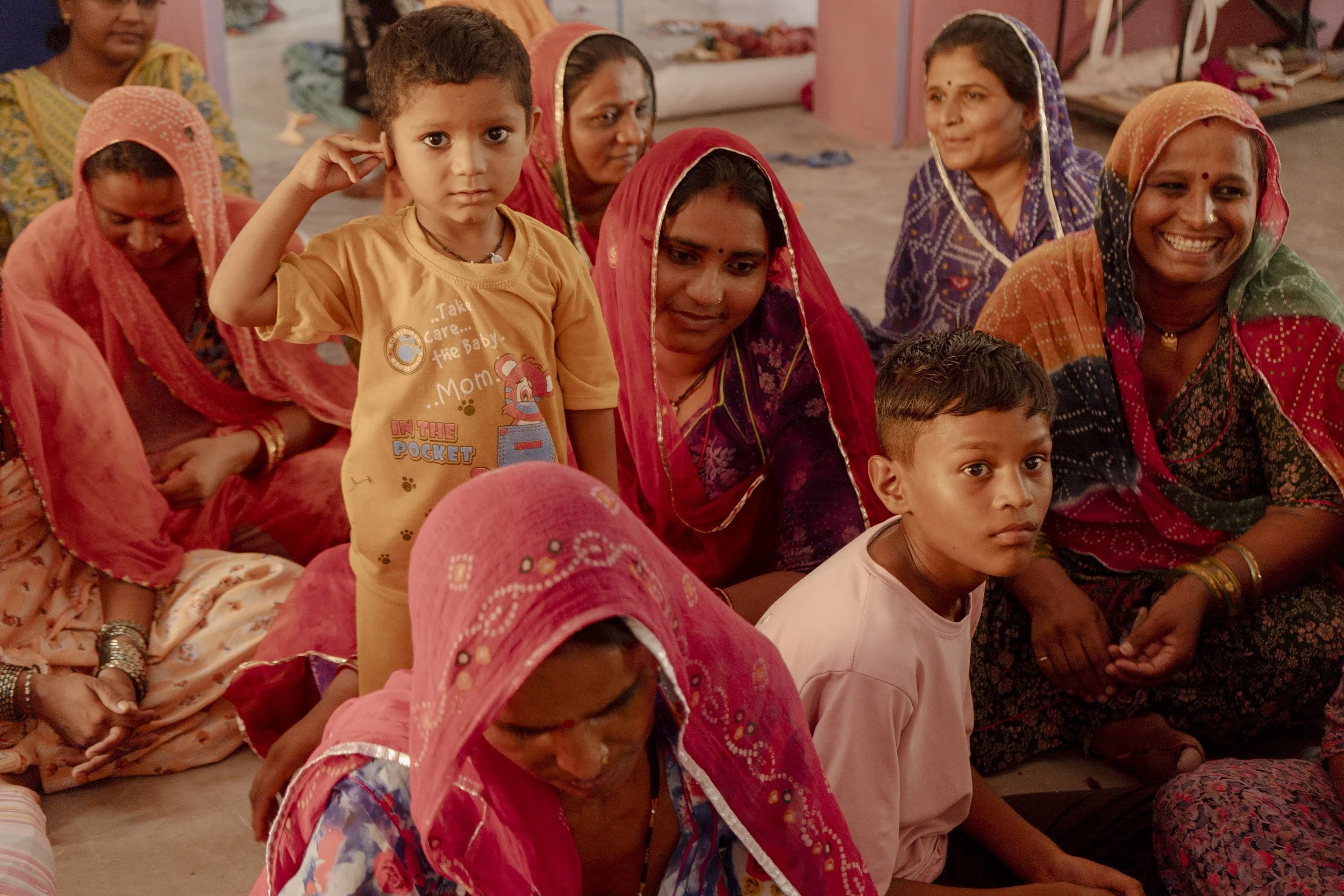
Children encounter the charkha not as a relic but as a living practice, and they learn through it that to make something with your hands is to participate in something that began long before you and will continue long after.
This is not nostalgia. This is contemporary thinking. The future of sustainable textile production does not live entirely in large factories. It lives in distributed, skilled hands, in the knowledge a woman has of her own rhythm of work, in craft understanding that passes not through manuals but through sitting beside someone who knows and watching and learning. The Ambar Charkha is modern technology carrying ancient intelligence, and it is building a value chain that the village actually owns.
And no craft survives in one generation alone. So we enter the school project, the training arm, the place where knowledge held by older women flows forward into younger hands. Children encounter the charkha not as a relic but as a living practice, and they learn through it that to make something with your hands is to participate in something that began long before you and will continue long after. More training programs, more schools, more women at more wheels, each one a node in a value chain that grows wider and stronger the more people it includes.
The Ambar Charkha project is a circle where each part feeds the next. Women bring knowledge and labour. Spinning produces yarn. Yarn enters the handloom. Fabric reaches a wardrobe traceable back to a named woman, a specific home, a real village, and at every single point along that journey, value has been created and kept where it was made. The circle is the value chain. The wheel is at the centre of it, and for the first time in a very long time, the hands holding it are being seen.
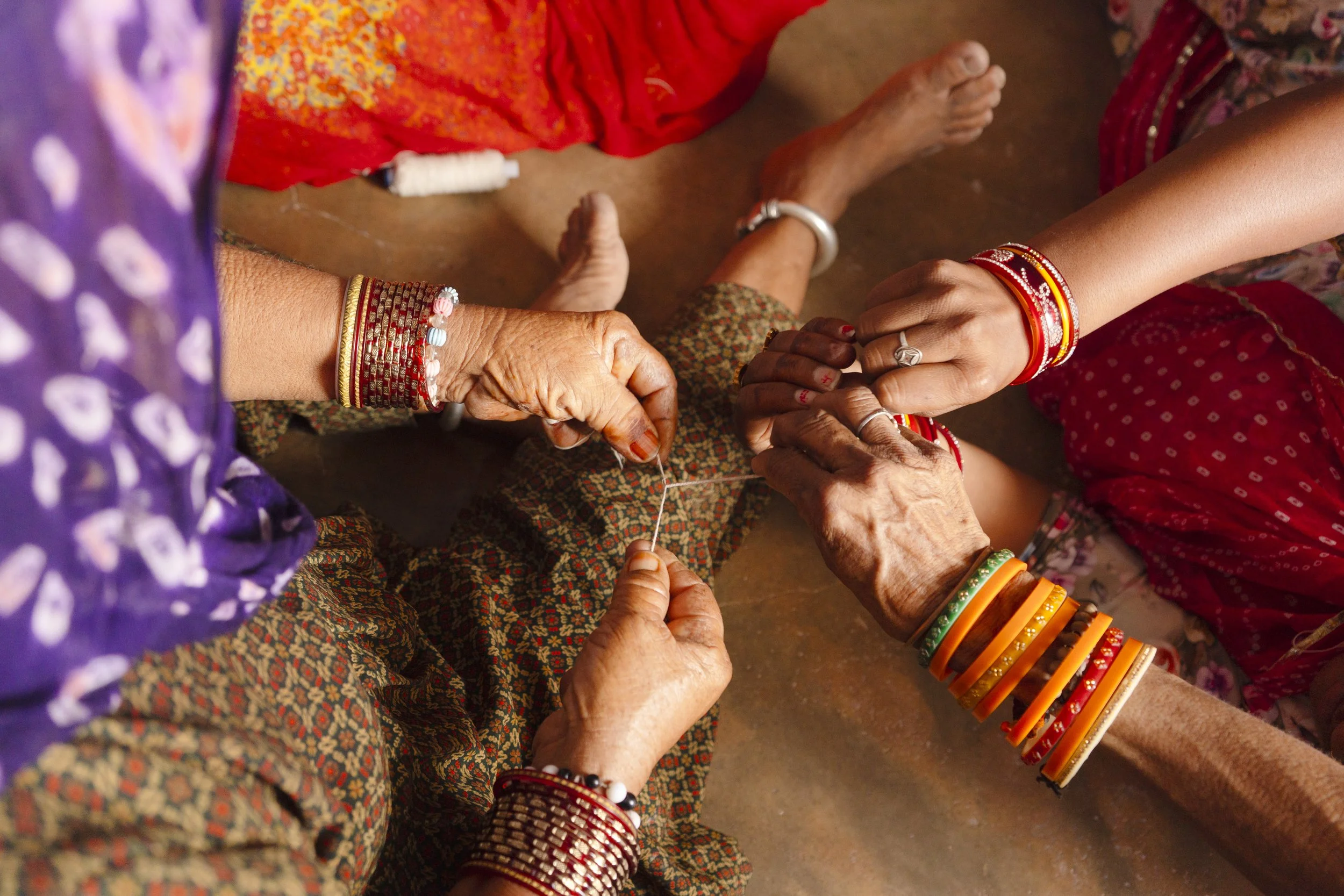
Saheli Women Community