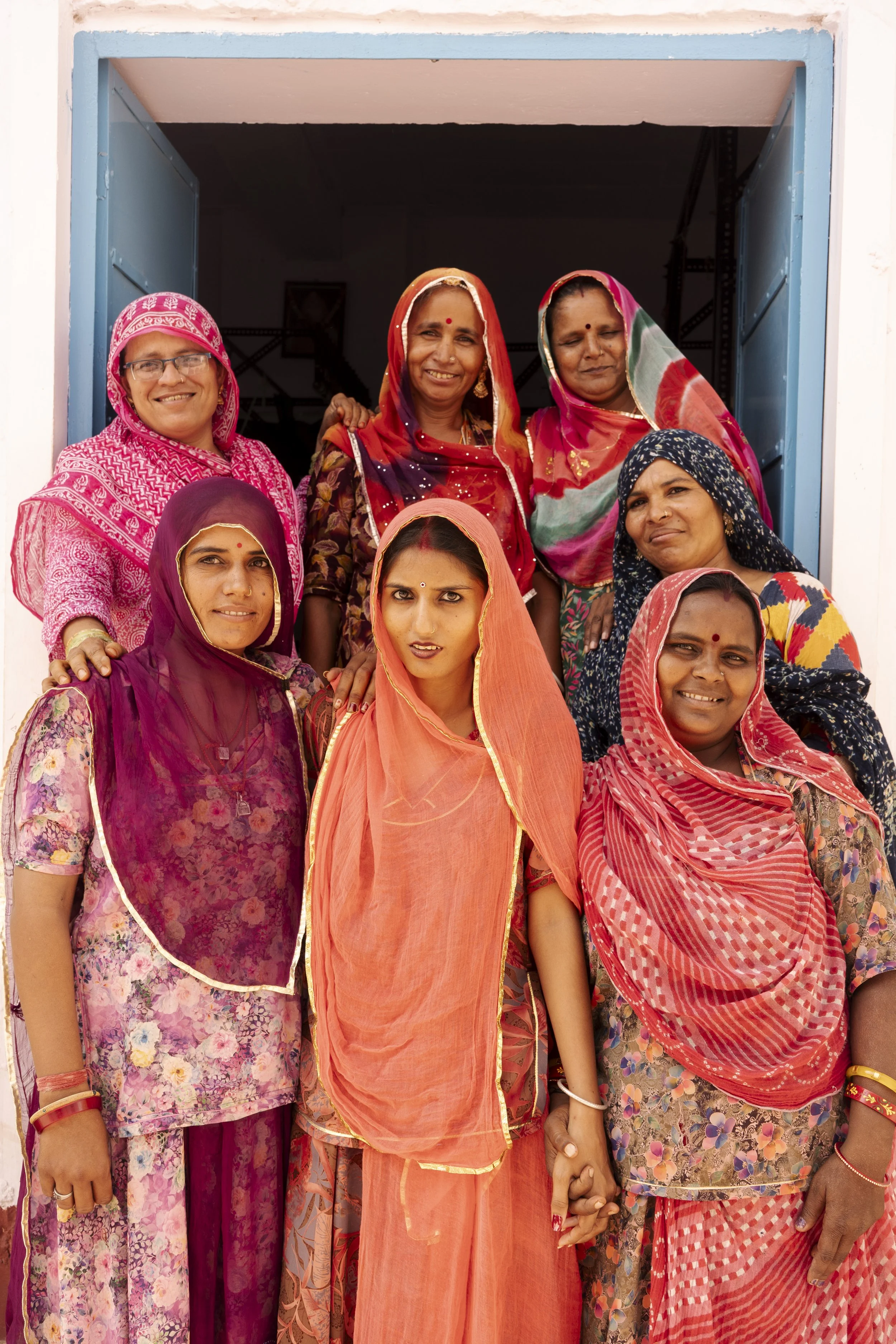
A Homeward Recognition: Craft Meets Cultural Recognition
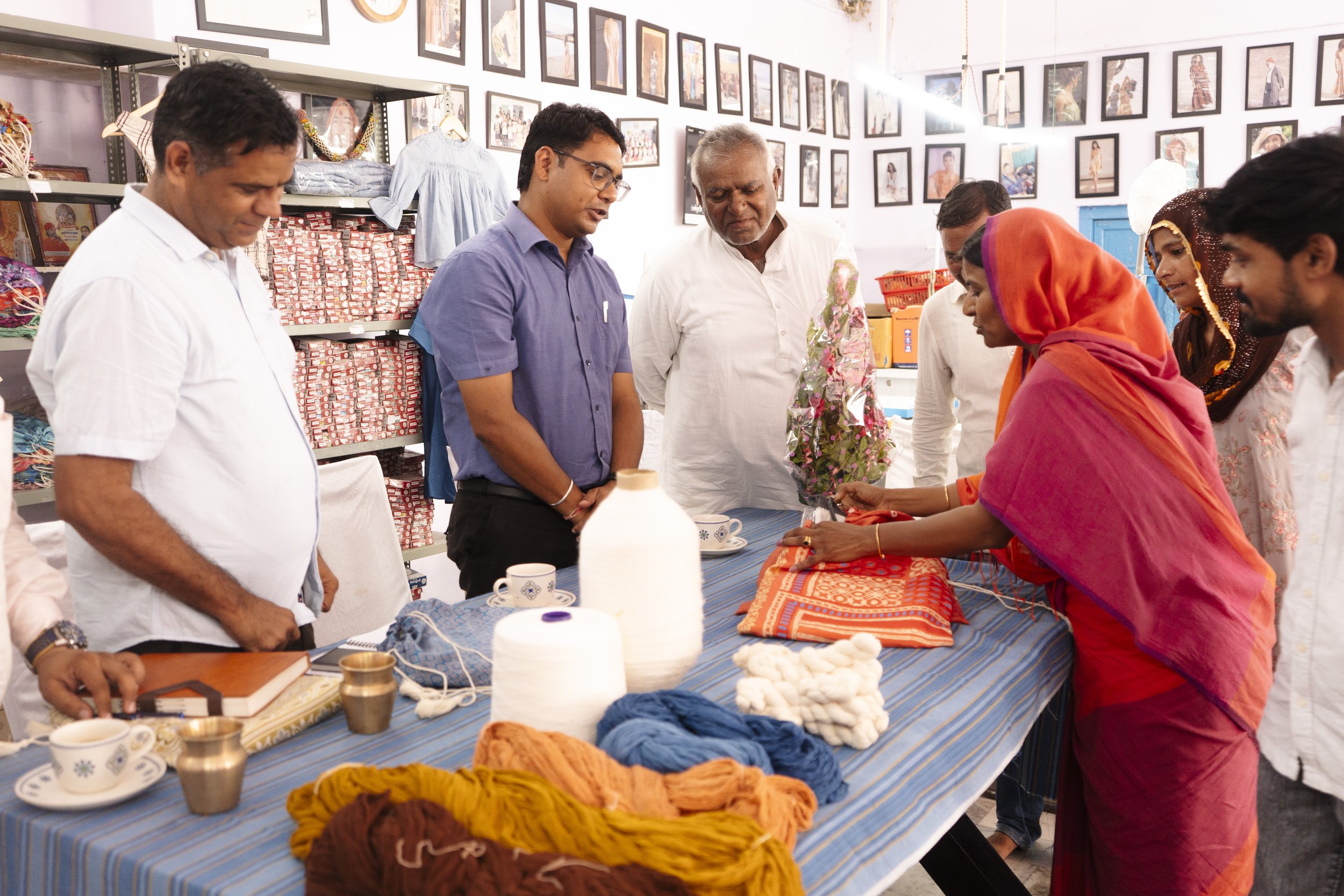
Collector of Phalodi at Saheli Womens Bikamkor Centre
Saheli Women has increasingly come to be recognised as an agent of change worldwide through its commitment to sustainability, ethical production, and women-led grassroots empowerment. Its work has travelled across borders through textiles, collaborations, and conversations around conscious fashion and craft practices. However, when recognition arrives homeward, its significance becomes even more profound.
When a Collector Sahab visits Saheli Women, they are not only visiting a workshop in rural Rajasthan. They are witnessing a living ecosystem of women-led knowledge, sustainability, and craft traditions that have survived despite invisibility.
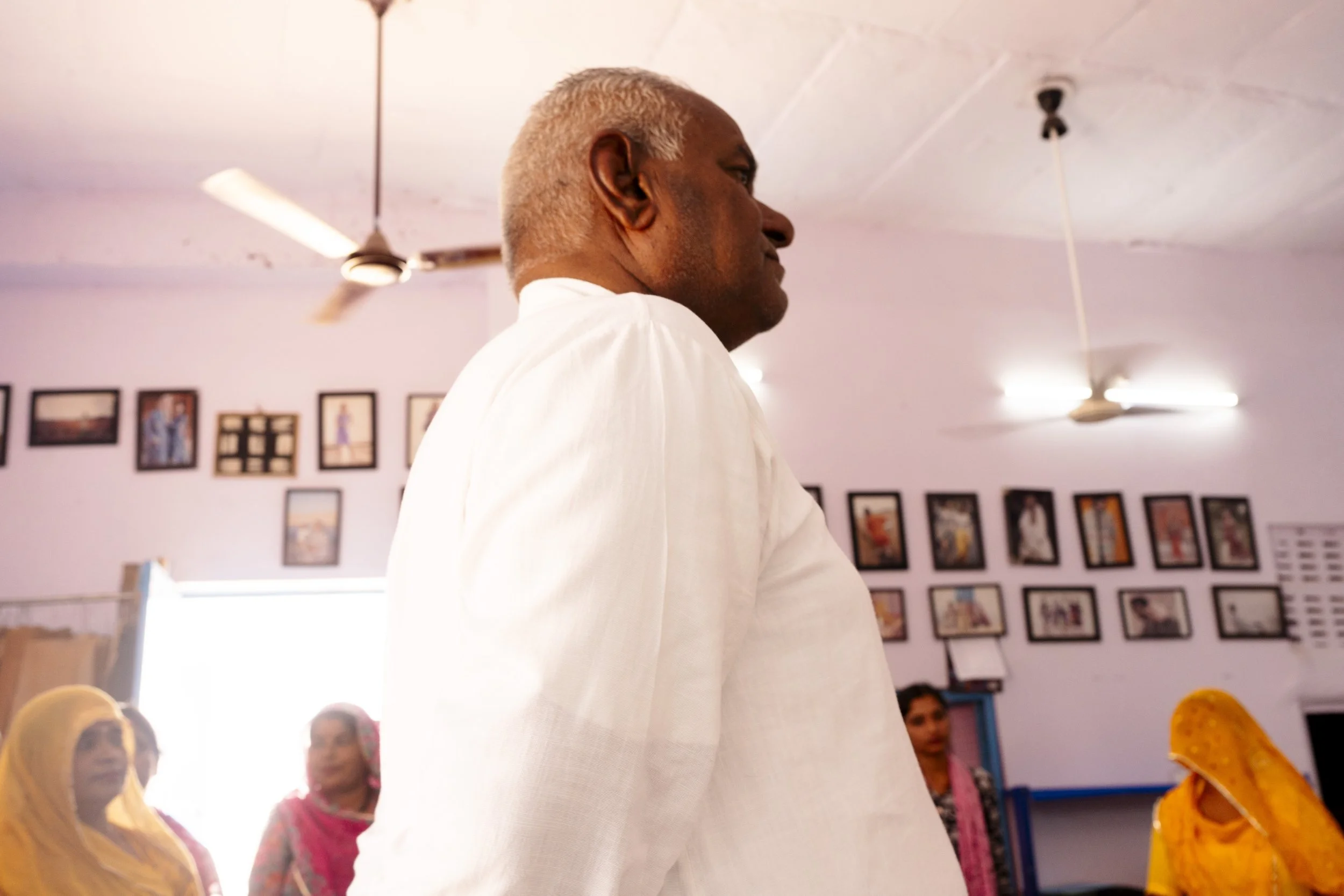
Sarpanch Sahab
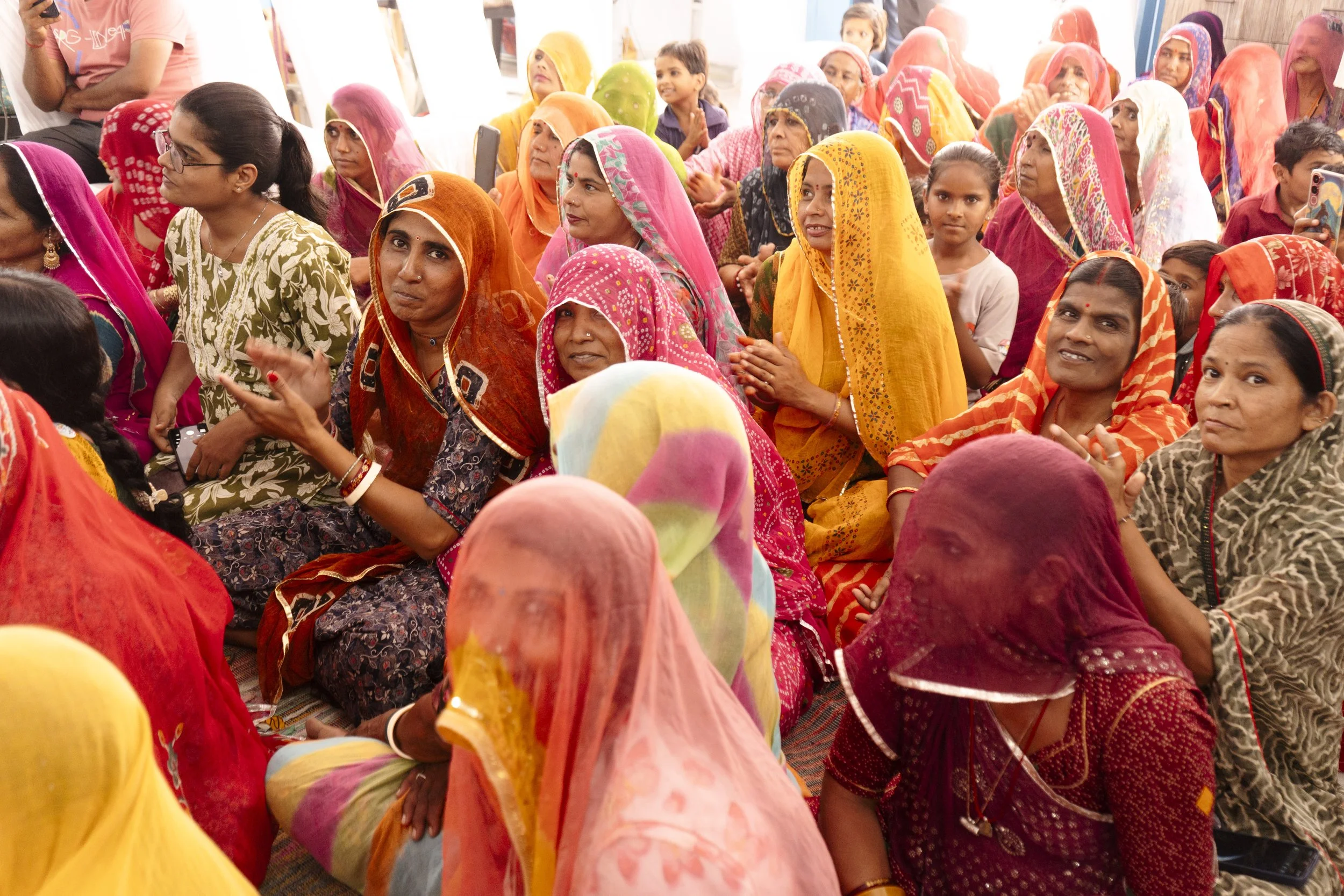
It reflects a growing recognition that the hands shaping these textiles are not just producing garments, but preserving culture, dignity, and alternative futures for fashion.
Saheli Women was built on the belief that rural women deserve access to dignified livelihoods, creative independence, and economic agency through craft-based practices. Working across stitching, embroidery, weaving, natural dyeing, and sustainable textile production, the initiative creates opportunities for women who often come from socially and economically marginalised backgrounds. These are women whose labour has historically remained invisible despite carrying generations of skill and knowledge within their hands.
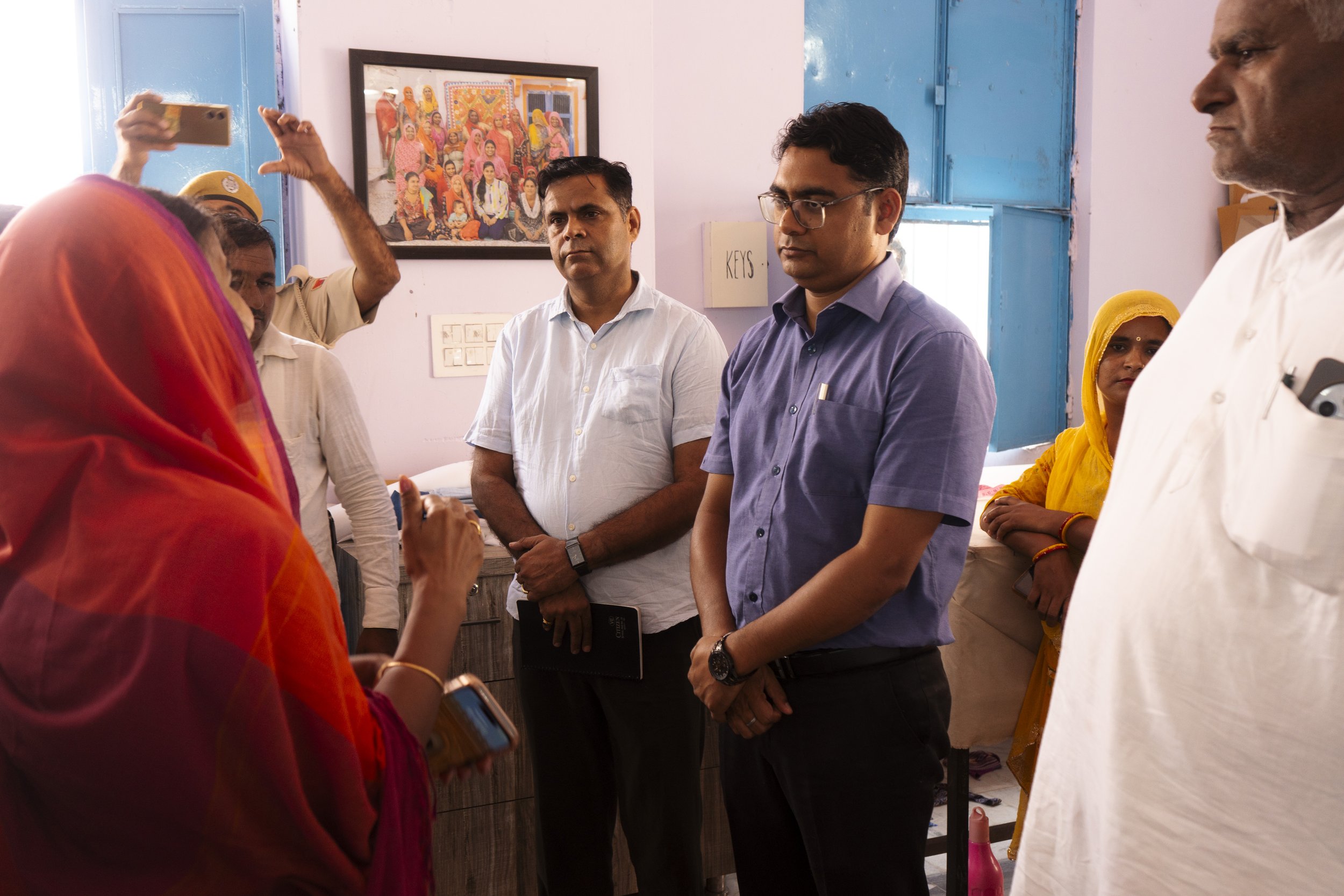
When a collector visits Bikamkor village, it represents an important moment of local recognition. Rajasthan has long been associated with craft, design, textiles, and heritage, and for someone rooted within this ecosystem to acknowledge the work of Saheli Women signals that rural women-led practices are being seen with seriousness and value. It means the work is no longer existing quietly on the margins, but is entering larger conversations around design, sustainability, and contemporary craft culture within ministry itself. For the women artisans, this kind of recognition can be deeply affirming. Many of them may never have imagined that the skills they learned within domestic or traditional settings could be appreciated beyond their villages. At the same time, such visits help shift the narrative around women-led rural enterprises.
Through training and sustainable production, these women become contributors to both culture and economy.
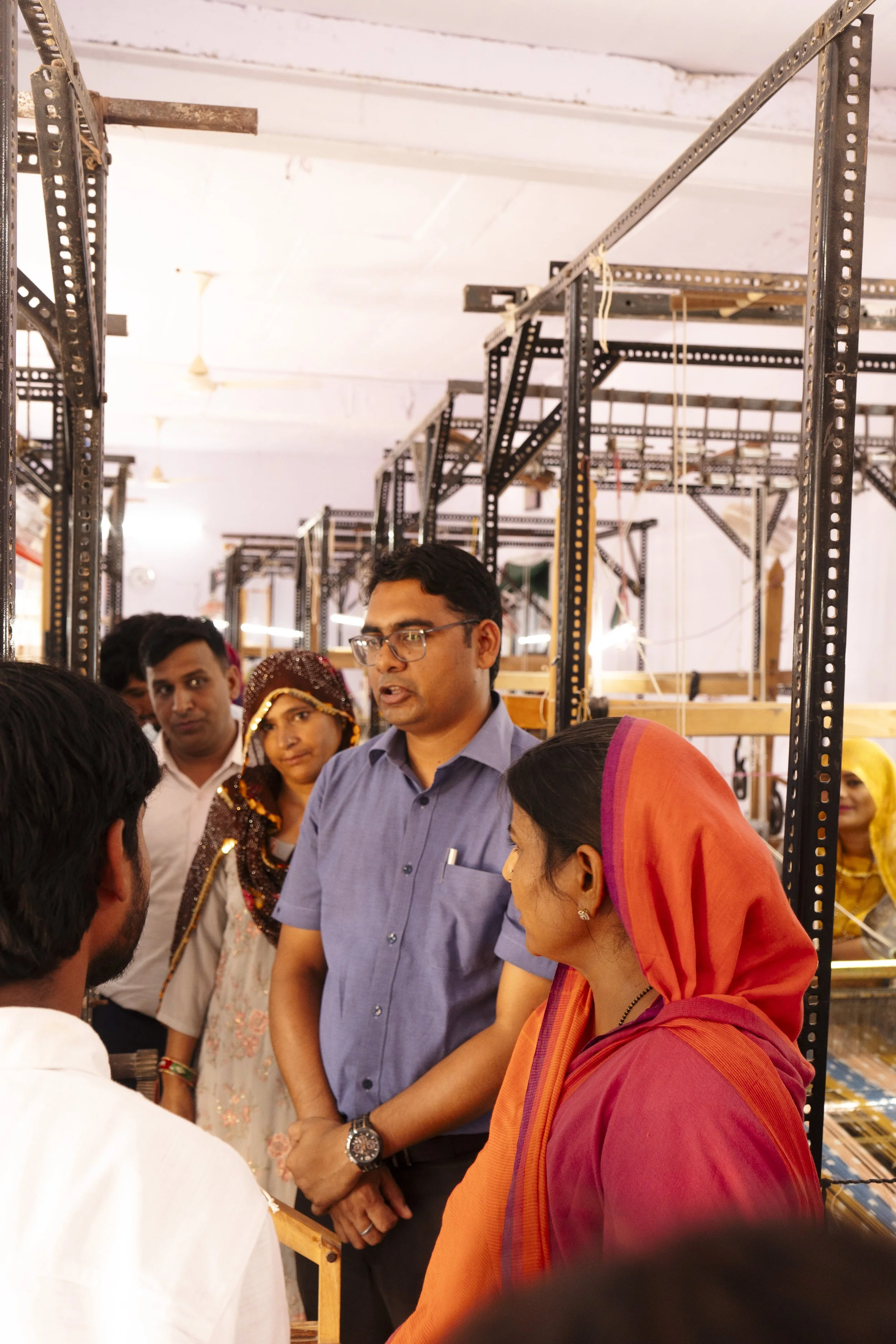
Madhu’s vision is to start a Skills Development School in Rural Rajasthan (Bikamkor, village of her in-laws) to train and empower more women, however, the biggest challenge lies in securing land and inn building infrastructure. Building a safe space for learning requires resources. “Keeping that in mind we reached out to the local administration to explore governmental support for land allocation. Hearing our journey and efforts the Collector of Phalodi visited our centre to witness the work firsthand. We do not know what the outcome of this interaction will be but what gives us hope is seeing that our efforts are being recognised. The support and encouragement from the system remind us that when communities create change with dedication, it can inspire wider possibilities.” Madhu Vaishnav.